Blog

  • Ninh Bình Du Lịch Sạch: Hành Trình Xanh Giữa Lòng Di Sản

    Ninh Bình Du Lịch Sạch: Hành Trình Xanh Giữa Lòng Di Sản

    Du lịch Ninh Bình: Hành trình xanh giữa lòng di sản

    Bạn đang tìm kiếm một điểm đến vừa có cảnh quan hùng vĩ, vừa mang lại cảm giác thư thái và bền vững? Ninh Bình du lịch sạch chính là câu trả lời hoàn hảo cho xu hướng du lịch trách nhiệm hiện nay, nơi con người và thiên nhiên hòa quyện làm một.

    Du lịch sạch tại Ninh Bình là mô hình phát triển du lịch gắn liền với việc bảo tồn hệ sinh thái tự nhiên và phát huy giá trị di sản văn hóa. Du khách sẽ được trải nghiệm các hoạt động không gây hại đến môi trường như chèo thuyền thủ công, đi xe đạp qua những cánh đồng lúa và thưởng thức nông sản hữu cơ địa phương.
    Tóm tắt trải nghiệm du lịch sạch tại Ninh Bình

    • Phương tiện xanh: Ưu tiên chèo thuyền nan, xe đạp và đi bộ để giảm phát thải carbon.
    • Điểm đến bền vững: Quần thể danh thắng Tràng An, Tam Cốc – Bích Động, Vân Long.
    • Ẩm thực bản địa: Thưởng thức đặc sản “từ trang trại đến bàn ăn” với cơm cháy, dê núi.
    • Thời điểm lý tưởng: Tháng 1 – tháng 3 (lễ hội, xuân tươi mới) hoặc tháng 5 – tháng 6 (mùa lúa chín).

    Khám phá các điểm đến “xanh” tiêu biểu tại Ninh Bình

    Ninh Bình không chỉ có những núi đá vôi hàng triệu năm tuổi mà còn sở hữu những khu bảo tồn thiên nhiên được quản lý nghiêm ngặt để giữ gìn vẻ hoang sơ vốn có. 🌿

    Quần thể danh thắng Tràng An – Di sản kép thế giới

    Tại Tràng An, mô hình du lịch sạch được thể hiện rõ nét qua việc sử dụng hoàn toàn thuyền chèo tay của người dân địa phương. Không tiếng động cơ, không khói bụi, du khách chỉ nghe thấy tiếng mái chèo khua nước nhẹ nhàng trong khoảng 2-3 giờ đồng hồ. Hệ thống hang động và đền đài tại đây được giữ gìn sạch sẽ, nói không với rác thải nhựa trên dòng sông.
    Khu bảo tồn thiên nhiên ngập nước Vân Long

    Đây là “vịnh không sóng” lớn nhất miền Bắc với diện tích hơn 3.500 ha. Vân Long là nơi trú ngụ của loài Voọc mông trắng quý hiếm. Du lịch tại đây cực kỳ khắt khe trong việc bảo vệ môi trường để không làm ảnh hưởng đến tập tính sinh hoạt của các loài động vật hoang dã. Khoảng giá vé tham quan và thuyền tại đây rất hợp lý, chỉ từ 100.000 – 150.000 VNĐ/người.

    Trải nghiệm phong cách sống bền vững khi du lịch Ninh Bình

    Để thực hiện một chuyến du lịch sạch đúng nghĩa, cách bạn tương tác với điểm đến đóng vai trò quyết định. 🚲

    Đạp xe xuyên qua những cánh đồng lúa

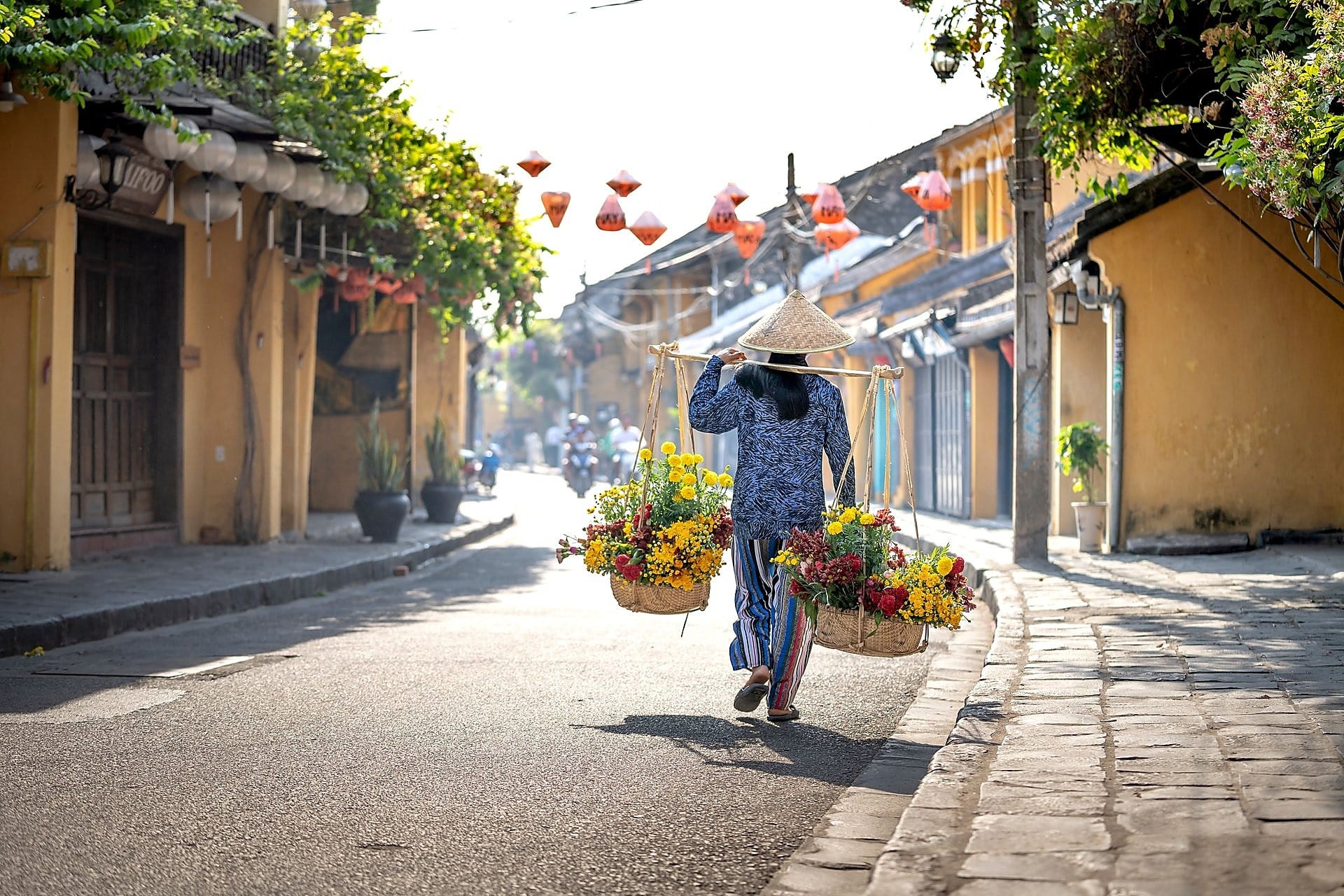
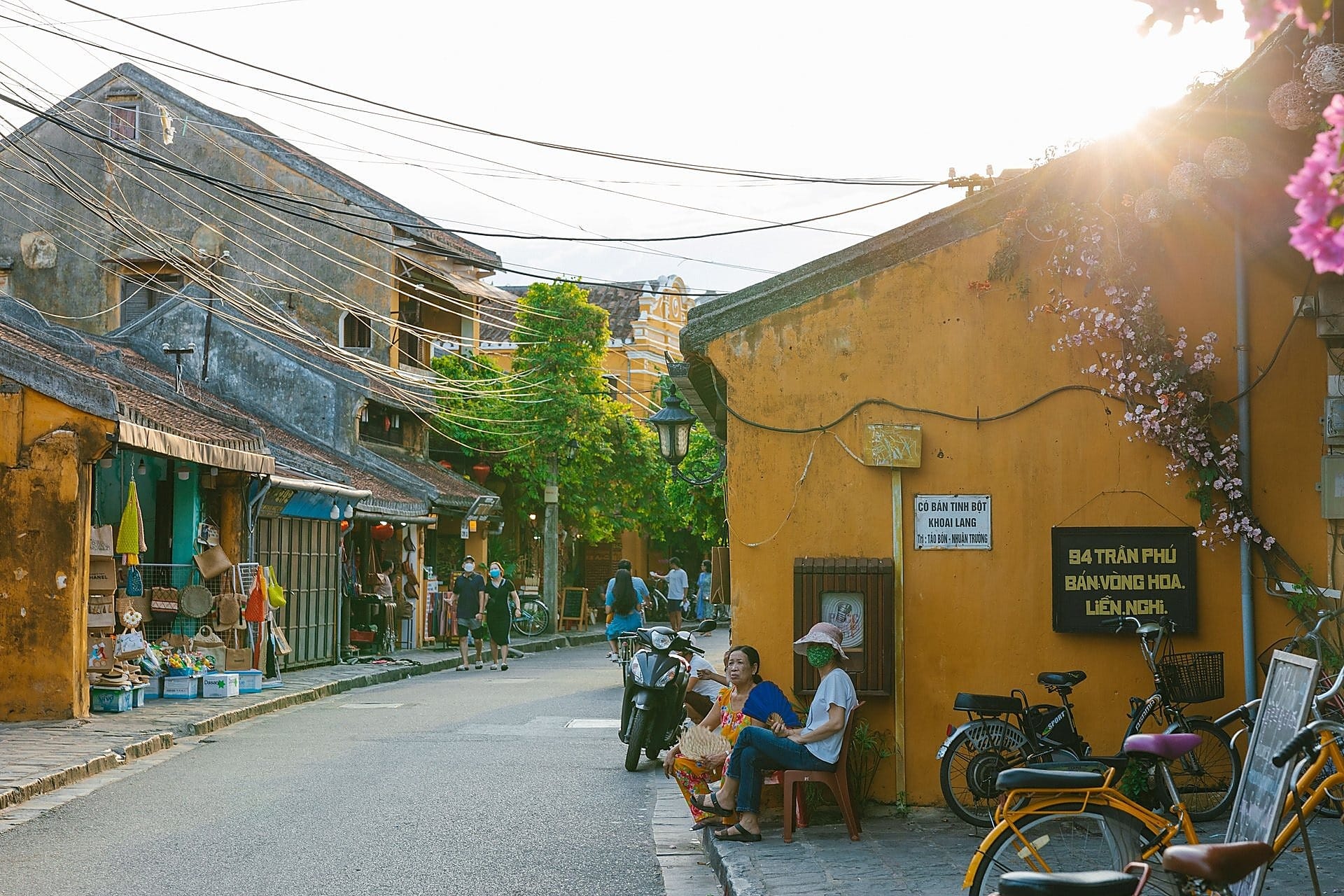
    Thay vì di chuyển bằng taxi, hãy thuê một chiếc xe đạp (giá khoảng 50.000 VNĐ/ngày) để len lỏi qua những con đường làng tại Tam Cốc. Cảm giác hít hà mùi thơm của lúa chín, ngắm nhìn những ngôi nhà cổ tường vàng và những gánh hàng hoa rực rỡ sẽ khiến chuyến đi của bạn trở nên ý nghĩa hơn bao giờ hết.
    Lưu trú tại các Resort và Homestay sinh thái

    Ninh Bình hiện có rất nhiều khu nghỉ dưỡng cao cấp theo tiêu chuẩn xanh, sử dụng vật liệu tự nhiên như tre, nứa, đá và tận dụng ánh sáng mặt trời. Nhiều homestay tại vùng đệm di sản còn khuyến khích khách hạn chế sử dụng đồ nhựa dùng một lần và tham gia vào các hoạt động nông nghiệp cùng người dân.

    Ẩm thực sạch – Hương vị thuần khiết của vùng đất Cố đô

    Du lịch sạch Ninh Bình còn nằm ở khía cạnh ẩm thực. Các món ăn đặc sản như thịt dê núi, cơm cháy đều được chế biến từ nguồn nguyên liệu chăn thả tự nhiên trên các dãy núi đá vôi. 🐐

    • Dê núi Ninh Bình: Được chăn thả tự nhiên, ăn các loại lá thuốc trên núi nên thịt chắc và thơm.
    • Cơm cháy: Món quà quê giản dị nhưng được làm thủ công, không chất bảo quản.
    • Rượu cần Nho Quan: Thức uống truyền thống mang đậm bản sắc văn hóa dân tộc.
    Câu hỏi thường gặp

    Đi du lịch Ninh Bình mùa nào đẹp nhất để ngắm cảnh tự nhiên?

    Thời điểm đẹp nhất là từ tháng 5 đến đầu tháng 6 khi lúa ở Tam Cốc chín vàng rực rỡ, hoặc từ tháng 1 đến tháng 3 khi tiết trời xuân mát mẻ (khoảng 18-25°C), cây cối đâm chồi nảy lộc.

    Làm thế nào để góp phần bảo vệ môi trường khi đến Ninh Bình?

    Bạn nên mang theo bình nước cá nhân, không vứt rác xuống sông khi đi thuyền, ưu tiên sử dụng xe đạp và ủng hộ các sản phẩm thủ công mỹ nghệ của người dân địa phương.
    Chi phí cho một chuyến du lịch Ninh Bình tự túc là bao nhiêu?

    Với hành trình 2 ngày 1 đêm, chi phí cơ bản dao động từ 1.500.000 – 2.500.000 VNĐ/người tùy vào hạng dịch vụ lưu trú và ăn uống bạn lựa chọn.

    Hành trình khám phá Ninh Bình du lịch sạch không chỉ là một chuyến đi nghỉ dưỡng mà còn là cách để chúng ta trân trọng và bảo vệ những giá trị vô giá của thiên nhiên. Hãy để vẻ đẹp tĩnh lặng của Cố đô làm mới tâm hồn bạn. 🛶

    Xem thêm các chủ đề liên quan: Kinh nghiệm du lịch Tràng An tự túc, Top resort xanh tại Ninh Bình cho gia đình.

    Đặt tour ngay để trải nghiệm hành trình xanh tuyệt vời nhất!
    NinhBinh #DuLichSach #SustainableTravel #TrangAn #VietnamTravel #EcoTourism

  • Hà Giang 4 ngày 3 đêm: Lịch trình chinh phục cực Bắc cực chill

    Hà Giang 4 ngày 3 đêm: Lịch trình chinh phục cực Bắc cực chill

    Hành trình Hà Giang 4 ngày 3 đêm là sự lựa chọn hoàn hảo để bạn chinh phục những cung đường đèo huyền thoại, ngắm nhìn cao nguyên đá hùng vĩ và trải nghiệm văn hóa bản địa đặc sắc. Với khoảng thời gian này, bạn sẽ không quá vội vã, đủ để cảm nhận trọn vẹn vẻ đẹp của “nơi đá cũng nở hoa” 🌸.

    Lịch trình Hà Giang 4 ngày 3 đêm lý tưởng thường bắt đầu từ TP. Hà Giang, đi qua Quản Bạ, Yên Minh, Đồng Văn và kết thúc tại Mèo Vạc trước khi quay về. Bạn sẽ được chinh phục đèo Mã Pí Lèng, đi thuyền trên sông Nho Quế và check-in tại Cột cờ Lũng Cú. Tổng quãng đường di chuyển khoảng 350-400km với mức chi phí dao động từ 3.500.000đ đến 5.000.000đ tùy dịch vụ.

    Tóm tắt lịch trình Hà Giang 4 ngày 3 đêm “At a Glance”

    • Ngày 1: Hà Nội – TP. Hà Giang – Quản Bạ (Cổng trời, Núi Đôi).
    • Ngày 2: Quản Bạ – Yên Minh – Dinh Thự Họ Vương – Đồng Văn.
    • Ngày 3: Cột cờ Lũng Cú – Đèo Mã Pí Lèng – Sông Nho Quế – Mèo Vạc.
    • Ngày 4: Mèo Vạc – Đường chữ M – TP. Hà Giang – Hà Nội.
    • Phương tiện: Xe khách giường nằm từ Hà Nội, thuê xe máy tại Hà Giang.
    • Thời điểm đẹp: Tháng 10-12 (mùa hoa Tam giác mạch) hoặc tháng 1-3 (mùa hoa đào, lê).

    Ngày 1: Chạm ngõ cao nguyên đá Quản Bạ

    Sau chuyến xe đêm từ Hà Nội, bạn sẽ có mặt tại TP. Hà Giang vào sáng sớm. Sau khi nhận xe máy và ăn sáng với món bánh cuốn bà Hà nổi tiếng, hành trình chinh phục những con dốc đầu tiên bắt đầu. Điểm dừng chân không thể bỏ qua là Cổng trời Quản Bạ ở độ cao hơn 1.500m, nơi bạn có thể phóng tầm mắt ngắm nhìn toàn cảnh thung lũng phía dưới.

    Ngay gần đó là Núi Đôi Cô Tiên với hình dáng tròn trịa, cân đối đầy thú vị gắn liền với những truyền thuyết lãng mạn. Buổi tối đầu tiên, hãy nghỉ lại tại một homestay ở Quản Bạ hoặc Yên Minh để tận hưởng không khí se lạnh khoảng 15-18°C và thưởng thức món khâu nhục đậm đà 🍲.

    Ngày 2: Hành trình xuyên miền di sản Đồng Văn

    Ngày thứ hai đưa bạn sâu hơn vào vùng lõi của Công viên địa chất toàn cầu. Cung đường từ Yên Minh đi Đồng Văn sẽ đi qua Dốc Thẩm Mã — con dốc chín khoanh uốn lượn cực kỳ ăn ảnh 📸. Đừng quên dừng lại giao lưu và tặng bánh kẹo cho các em bé dân tộc đeo gùi hoa tại đây.

    Tiếp theo, hãy ghé thăm Dinh Thự Họ Vương (Dinh vua Mèo) với kiến trúc hòa quyện giữa nghệ thuật Trung Hoa, Pháp và H’Mông. Buổi chiều, bạn sẽ đến Phố cổ Đồng Văn. Đây là lúc thích hợp để dạo bộ, nhâm nhi cà phê trong những ngôi nhà trình tường cổ kính và ăn lẩu gà đen nóng hổi giữa tiết trời vùng cao.

    Ngày 3: Chinh phục “Tứ đại đỉnh đèo” Mã Pí Lèng

    Đây là ngày bùng nổ nhất trong tour Hà Giang 4 ngày 3 đêm. Buổi sáng, hãy hướng về Cột cờ Lũng Cú — điểm cực Bắc thiêng liêng của Tổ quốc. Đứng dưới lá đại kỳ 54m2 tung bay trong gió, cảm giác tự hào dân tộc sẽ dâng trào trong bạn 🇻🇳.

    Buổi chiều là thời gian dành cho đèo Mã Pí Lèng. Với những vách đá dựng đứng và vực sâu thăm thẳm, đây là cung đường thử thách nhất nhưng cũng đẹp nhất Việt Nam. Phía dưới chân đèo là dòng sông Nho Quế xanh ngắt như dải lụa. Bạn nên trải nghiệm đi thuyền qua hẻm vực Tu Sản để cảm nhận sự hùng vĩ đến nghẹt thở của thiên nhiên.

    Ngày 4: Mèo Vạc – Khúc cua chữ M và trở về

    Trước khi chia tay Hà Giang, hãy ghé thăm chợ phiên Mèo Vạc (nếu đi đúng sáng Chủ Nhật) để thấy sự nhộn nhịp, rực rỡ sắc màu của các dân tộc anh em. Cung đường quay về TP. Hà Giang qua ngả Mèo Vạc sẽ đưa bạn đi qua đường chữ M kỳ thú tại Lũng Phìn.

    Quãng đường di chuyển ngày cuối khá dài (khoảng 150km), vì vậy bạn cần xuất phát sớm để kịp trả xe máy và lên xe giường nằm về lại Hà Nội. Đừng quên mua một ít thịt trâu gác bếp hoặc lạp xưởng về làm quà cho người thân nhé 🎁.

    Câu hỏi thường gặp về du lịch Hà Giang

    Đi Hà Giang 4 ngày 3 đêm hết bao nhiêu tiền?

    Mức giá trung bình cho một chuyến đi tự túc dao động từ 3.500.000đ – 4.500.000đ/người. Chi phí này bao gồm xe khách khứ hồi (500k), thuê xe máy & xăng xe (800k), lưu trú homestay (600k), ăn uống và vé tham quan các điểm.

    Nên đi tour hay đi tự túc?

    Nếu bạn là người trẻ, có tay lái vững và yêu thích tự do, đi tự túc bằng xe máy là trải nghiệm tuyệt vời nhất. Tuy nhiên, nếu không tự tin về khả năng lái xe đường đèo dốc, bạn nên đặt tour ghép Hà Giang có “xế” bản địa chở để đảm bảo an toàn và được nghe thuyết minh chi tiết.

    Cần chuẩn bị trang phục gì khi đi Hà Giang?

    Thời tiết Hà Giang thay đổi rất nhanh và thường lạnh về đêm. Bạn nên mang theo áo khoác gió (kể cả mùa hè), giày leo núi có độ bám tốt, khăn quàng cổ và đặc biệt là bộ đồ bảo hộ nếu tự lái xe máy 🧥.

    Khám phá thêm về Kinh nghiệm đi sông Nho Quế hoặc Top homestay đẹp nhất Đồng Văn để có chuyến đi hoàn hảo nhất.

    Bạn đã sẵn sàng cho hành trình rực rỡ này chưa? Inbox ngay để nhận ưu đãi tour Hà Giang trọn gói hoặc combo xe + phòng giá tốt nhất!

    HaGiang #DuLichHaGiang #MaPiLeng #NhoQue #CheckinHaGiang #TravelVietnam

  • Capella Cruise: Luxury Indochine Escape in Lan Ha Bay

    Capella Cruise: Luxury Indochine Escape in Lan Ha Bay

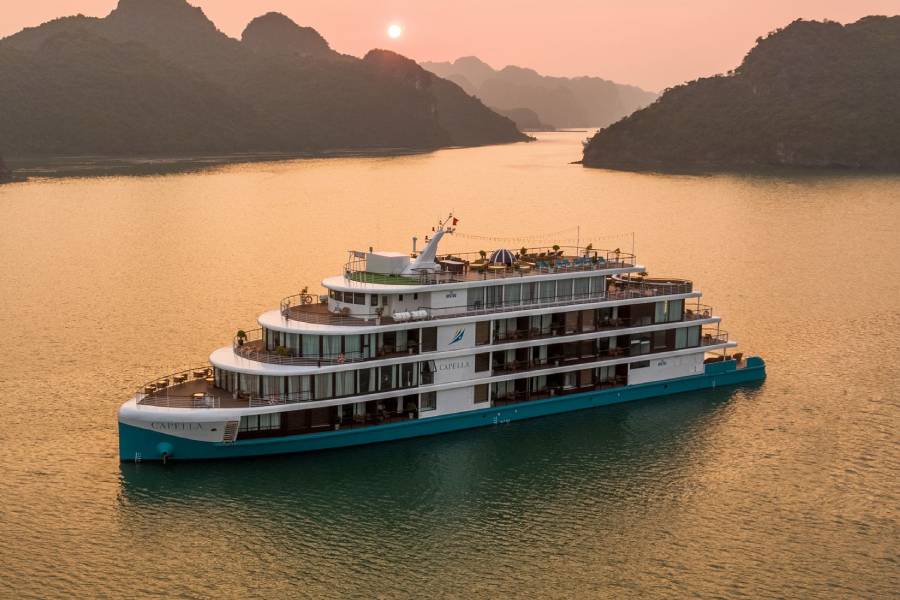
    Seeking the ultimate blend of Indochine charm and modern luxury in the heart of the Gulf of Tonkin? Capella Cruise is not just a vessel; it is a floating masterpiece designed for those who crave a romantic and high-energy escape. With its iconic water slide, infinity pool, and sophisticated suites, this cruise redefines the Lan Ha Bay experience for the modern traveler.

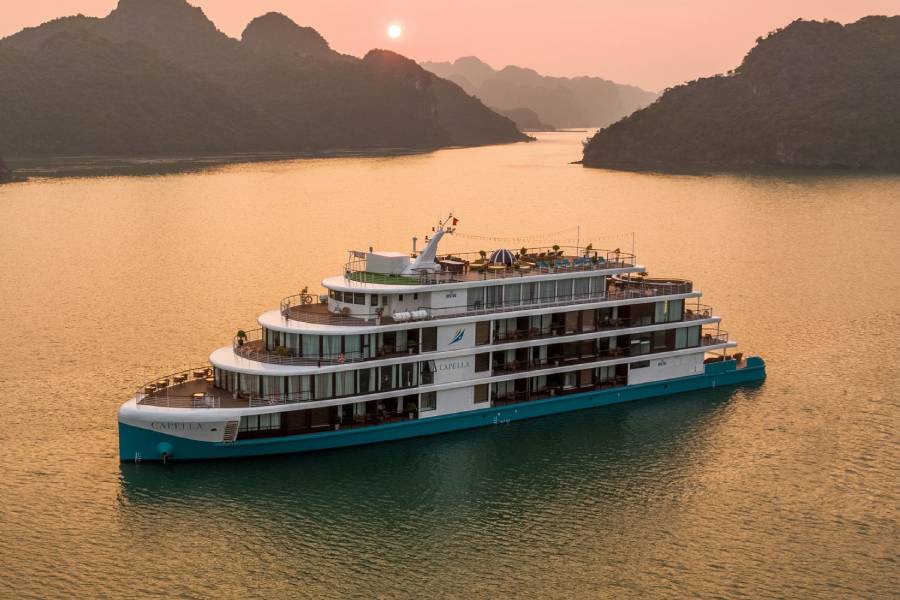
    Capella Cruise is a premier 5-star luxury vessel operating in Lan Ha Bay, featuring 30 opulent cabins with private balconies. It is famously known for being the first cruise in the region to feature a giant inflatable water slide and an Oasis Pool, offering a perfect harmony of relaxation and adventure for young travelers and couples.

    Capella Cruise at a Glance

    • Location: Lan Ha Bay (starting from Tuan Chau Marina, 150km from Hanoi).
    • Design: Retro Indochine style combined with contemporary luxury.
    • Highlight Features: Inflatable water slide, Oasis Pool (infinity pool & jacuzzi), mini-golf course, and cigar lounge.
    • Best For: Young couples, honeymooners, and groups of friends seeking “Instagrammable” moments.
    • Average Temperature: 20°C – 30°C depending on the season.

    The Indochine Aesthetic: A Romantic Sanctuary

    The first thing that strikes you about Capella Cruise is its architectural elegance. The ship seamlessly blends the nostalgic beauty of Indochine decor with sleek, modern lines. Every corner of the ship, from the wood-paneled Spirit of the Sea Lounge to the sun-drenched Harmony of the Sea Restaurant, is designed to be a backdrop for your most cherished photos.

    For young couples, the cabins are a private haven. Each suite features a private balcony and floor-to-ceiling windows, ensuring you never miss a moment of the limestone karsts passing by. Imagine waking up to a golden sunrise over the emerald waters, right from the comfort of your plush bed.

    Unmatched Entertainment: From Water Slides to Mini-Golf

    Unlike traditional cruises that focus solely on sightseeing, Capella brings a “fun-resort” vibe to the sea. The inflatable water slide is the star attraction, allowing guests to plunge directly from the deck into the refreshing waters of Lan Ha Bay. It’s an adrenaline rush that you won’t find on most other 5-star vessels.

    If you prefer a more relaxed pace, the Oasis Pool—an infinity-edge pool with an integrated jacuzzi—offers a serene spot to sip a cocktail while watching the sunset. Other unique activities include a mini-golf course on the sundeck, kayaking through dark and bright caves, and even a dedicated karaoke room for late-night celebrations.

    Romantic Milestones: The Perfect Proposal Spot

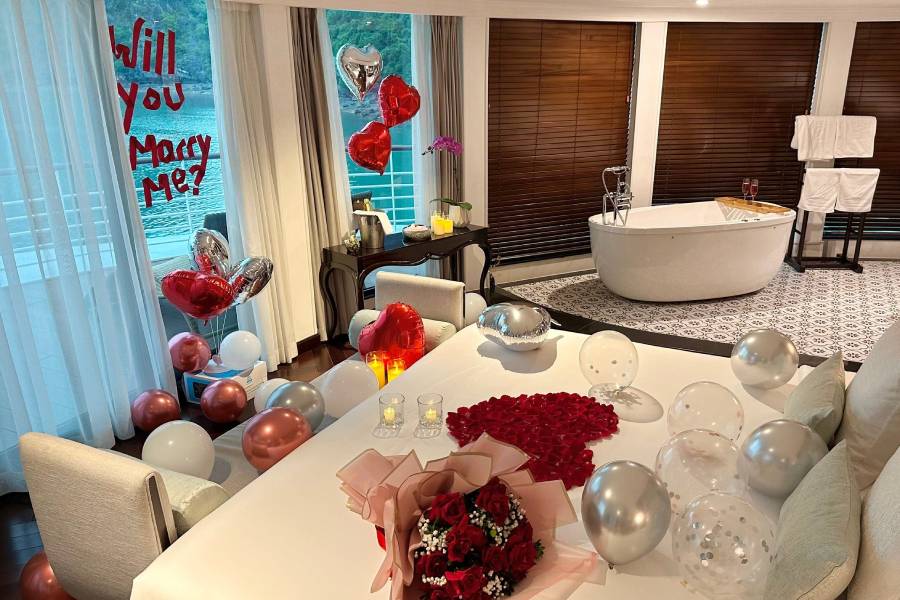
    Are you planning a life-changing moment? Capella Cruise specializes in creating romantic surprises. The staff can meticulously decorate your suite with rose petals, balloons, and “Will You Marry Me?” signage, set against the breathtaking backdrop of the bay. Whether it’s an anniversary or a honeymoon, the intimate atmosphere and premium service ensure your special day is nothing short of magical.

    Exquisite Dining and Sunset Rituals

    Dining on the Capella is a journey of the senses. The Harmony of the Sea Restaurant serves a fusion of traditional Vietnamese flavors and international gourmet cuisine. As evening falls, head to the sundeck for the Sunset Party. With a drink in hand and the sky turning shades of pink and orange, you’ll understand why Lan Ha Bay is considered one of the most romantic places on earth.

    Frequently Asked Questions

    Is Capella Cruise suitable for people who get seasick?

    Yes, Capella is a modern, large-scale vessel with advanced stabilization systems. Since Lan Ha Bay is quite sheltered compared to the open ocean, the water is generally calm, making the cruising experience very smooth.

    What is included in the Capella Cruise price?

    Generally, the price includes all meals (breakfast, lunch, dinner, brunch), luxury cabin accommodation, sightseeing entrance fees, kayaking, the water slide, and morning Tai Chi sessions. Drinks and spa services are usually extra.

    How do I get to the cruise from Hanoi?

    Most guests book a private car or the cruise’s luxury limousine transfer service. The journey from Hanoi to Tuan Chau Marina takes approximately 2.5 to 3 hours via the new highway.

    Ready to experience the pinnacle of luxury in Lan Ha Bay? Book your tour now or leave your phone number for a personalized consultation on the best deals for your next getaway!

    Explore more: Top 5 Luxury Cruises in Lan Ha Bay or Honeymoon Guide to Northern Vietnam.

  • D’Lecia Ha Long: Luxury Hotels & 5-Star Cruises Guide

    D’Lecia Ha Long: Luxury Hotels & 5-Star Cruises Guide

    Discover the pinnacle of Vietnamese hospitality at D’Lecia Hotels & Cruises in Ha Long Bay. Offering a seamless blend of neoclassical elegance and modern luxury, this system provides travelers with sophisticated land-based stays and breathtaking maritime adventures. Whether you are seeking a romantic honeymoon suite or a family-friendly cruise with a water slide, D’Lecia defines the new standard of premium travel in Ha Long.

    At a Glance: The D’Lecia Experience

    • Accommodation: Boutique hotels in Bai Chay and luxury 5-star cruises.
    • Signature Style: Neoclassical architecture with high-end wooden interiors.
    • Key Amenities: Infinity pools, Jacuzzis, private balconies, and gourmet restaurants.
    • Activities: Water slides, kayaking, sunset parties, and romantic room decorations.
    • Location: Ideally situated near Sun World Ha Long Park and the UNESCO Heritage Bay.

    Overview of D’Lecia Hotels & Cruises Ha Long

    D’Lecia Ha Long is a premier hospitality brand that caters to the discerning traveler. The system is renowned for its D’Lecia Hotel located in the bustling Bai Chay area and its partnership with elite vessels like the Capella Cruise. The brand focuses on “Boutique Luxury,” ensuring every guest feels a sense of intimacy and exclusivity. With room rates typically ranging from $50 to $150 USD per night for the hotel and premium packages for cruises, it offers exceptional value for high-end service.

    D’Lecia Hotel: Neoclassical Elegance in Bai Chay

    Located in the East Hung Thang area, the D’Lecia Hotel stands out with its striking white facade and refined architectural details. The hotel features nearly 100 rooms, each designed to maximize comfort with warm lighting and premium linens. Business travelers and couples often choose this location for its proximity to the beach (approx. 1.5km) and the vibrant local dining scene.

    For those celebrating special occasions, D’Lecia is famous for its romantic room setups. As seen in recent guest photos, the staff can transform your suite into a proposal-ready sanctuary with “Will You Marry Me?” balloons, rose petals, and chilled champagne by a freestanding bathtub overlooking the bay or city.

    Capella Cruise: The Ultimate Bay Adventure

    The crown jewel of the D’Lecia experience is the Capella Cruise, a 5-star vessel that redefines luxury on the water. This ship is instantly recognizable by its sleek emerald and white hull. It is one of the few cruises in Ha Long Bay featuring a multi-story water slide, allowing guests to plunge directly into the cool emerald waters of Lan Ha Bay.

    Luxury Amenities on Board

    • Ocean-view Infinity Pool: A stunning pool located at the aft of the ship, perfect for watching the sunset over the limestone karsts.
    • Private Balconies: Every cabin is a suite, ensuring guests have their own private space to breathe in the fresh sea air.
    • Wellness Center: Featuring a heated Jacuzzi and spa services to relax after a day of kayaking.

    Exceptional Dining and Services

    Gastronomy is a core pillar of the D’Lecia system. The The Mận Restaurant at the hotel offers a fusion of traditional Vietnamese flavors and Western favorites. On the cruise, guests enjoy lavish buffet lunches and fine-dining dinners featuring fresh Ha Long seafood. The service is personalized, with a high staff-to-guest ratio ensuring every request—from a specific cocktail at the sunset party to a guided tour of Dark & Bright Cave—is met with a smile.

    Why Choose D’Lecia for Your Ha Long Trip?

    Choosing D’Lecia means choosing a comprehensive travel ecosystem. You can spend your first night exploring the nightlife of Bai Chay at the boutique hotel and the second night cruising deep into the quiet corners of the bay. The brand’s commitment to modern aesthetics and professional service makes it a top choice for international tourists and trendy young travelers alike.

    Frequently Asked Questions

    What is the check-in time for D’Lecia Hotel?

    Standard check-in is at 14:00 and check-out is at 12:00. Early check-in may be available depending on room occupancy.

    Does the Capella Cruise include all meals?

    Yes, most 2-day-1-night itineraries include 01 breakfast, 02 lunches, and 01 formal dinner, along with a light snack during the sunset party.

    Is D’Lecia Hotel suitable for families with children?

    Absolutely. The hotel offers family room configurations and is located near major attractions like Sun World, making it very convenient for families.

    How do I book a romantic room decoration?

    You should contact the reservation team at least 24-48 hours in advance to arrange for specific themes, flowers, and cakes for anniversaries or proposals.

    Ready to experience the best of Ha Long? Explore our Ha Long Luxury Cruise Tours or Bai Chay Boutique Stays for your next vacation.

    Interested in a booking? Leave your phone number below for a private consultation!

  • 10-Day Vietnam Itinerary: The Ultimate First-Timer’s Guide

    10-Day Vietnam Itinerary: The Ultimate First-Timer’s Guide

    Planning your first trip to Vietnam can be overwhelming with so many incredible destinations to choose from. This 10-day Vietnam itinerary is designed to hit the “Big Five” highlights: the historic charm of Hanoi, the emerald waters of Halong Bay, the dramatic peaks of Ninh Binh, the lantern-lit streets of Hoi An, and the bustling energy of Ho Chi Minh City.

    For a first-time visitor, a 10-day trip should focus on a North-to-South route. Start in Hanoi for cultural immersion, take a 2-day cruise in Halong Bay, explore the “Halong Bay on Land” in Ninh Binh, fly to Central Vietnam for the magical atmosphere of Hoi An, and conclude with the modern history and Mekong Delta flavors of Ho Chi Minh City.

    At a Glance: 10-Day Vietnam Highlights

    • Day 1-2: Hanoi – Old Quarter, Street Food, and Temple of Literature.
    • Day 3-4: Halong Bay – Overnight cruise among limestone karsts.
    • Day 5: Ninh Binh – Boat tours in Trang An and Mua Caves.
    • Day 6-8: Hoi An – Ancient Town, tailoring, and My Son Sanctuary.
    • Day 9-10: Ho Chi Minh City – War Remnants Museum and Mekong Delta.

    Day 1-2: Hanoi – The Cultural Heart

    Arrive in Hanoi, a city where ancient temples sit alongside French colonial architecture. Spend your first afternoon wandering the 36 streets of the Old Quarter. Don’t miss the Temple of Literature, Vietnam’s first university, and a traditional Water Puppet Show in the evening.

    On Day 2, dive into the local food scene. Try Bun Cha (grilled pork with noodles) or a steaming bowl of Phở. Visit the Ho Chi Minh Mausoleum and the serene West Lake.
    Transport: Private airport transfer or Grab (approx. $15 USD).

    Day 3-4: Halong Bay – A Natural Wonder

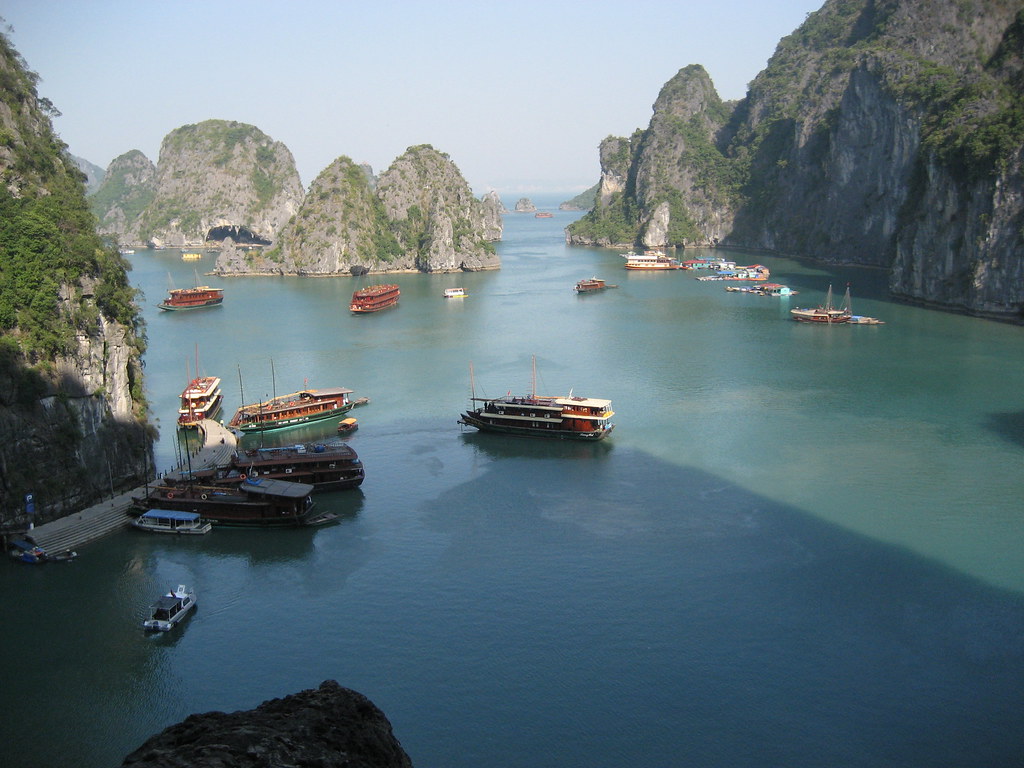
    Travel 170km east to the UNESCO World Heritage site of Halong Bay. Board a luxury cruise for an overnight journey. You will sail past thousands of limestone islets, visit hidden caves like Sung Sot (Surprise Cave), and enjoy kayaking in the emerald waters. Watching the sunset from the deck is a quintessential Vietnam experience.
    Transport: Shuttle bus from Hanoi (2.5 – 3 hours via the new highway).

    Day 5: Ninh Binh – The Inland Majesty

    Known as “Halong Bay on land,” Ninh Binh offers breathtaking scenery. Take a traditional sampan boat ride through the Trang An Landscape Complex, passing through limestone grottoes. Later, climb the 500 steps of Mua Caves for a panoramic view of the Tam Coc rice fields.
    Transport: Private car or limousine bus from Halong or Hanoi (2-3 hours).

    Day 6-8: Hoi An – The City of Lanterns

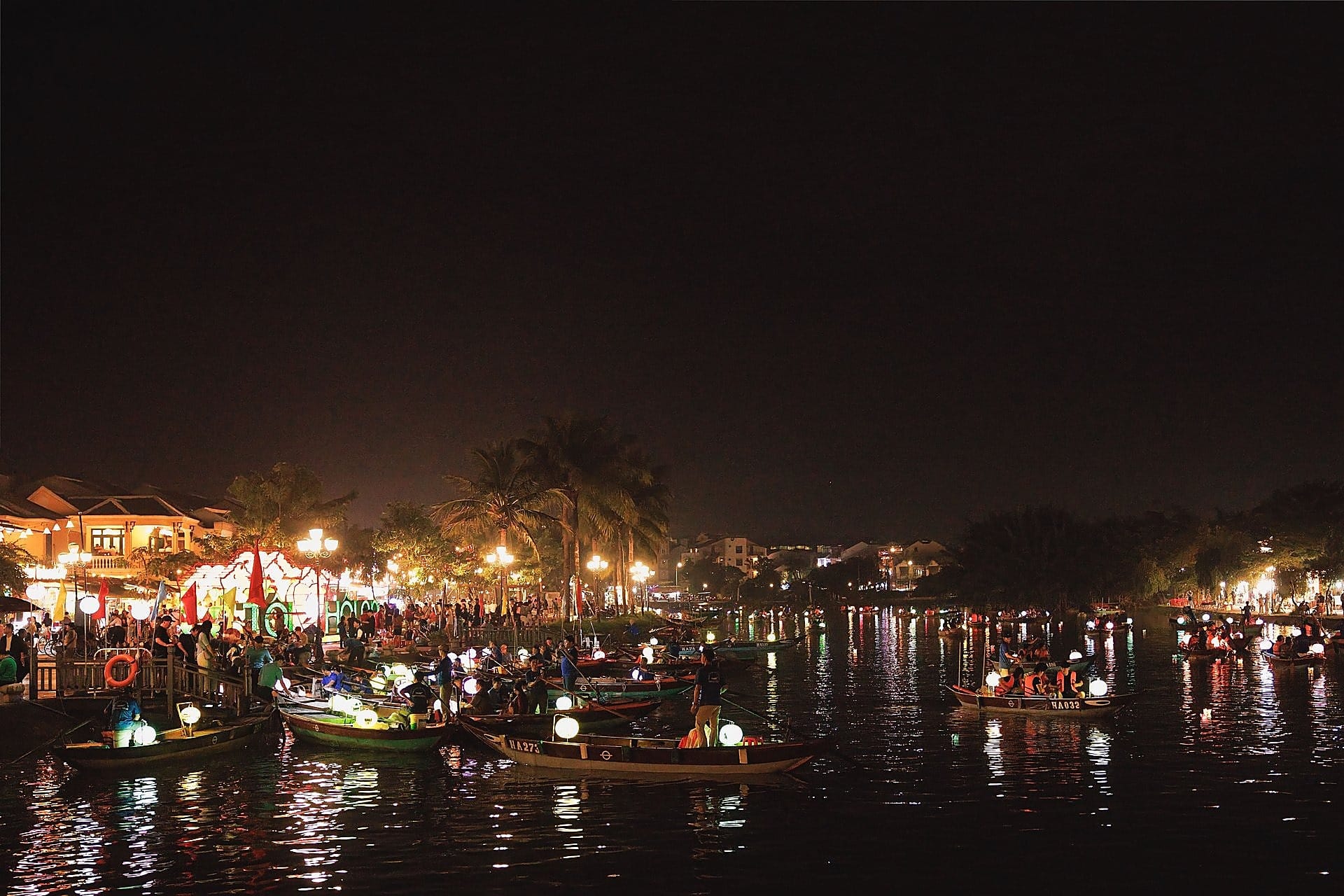
    Fly from Hanoi to Da Nang, then take a short drive to Hoi An Ancient Town. This yellow-hued town is famous for its Japanese Covered Bridge, tailor shops, and night markets glowing with silk lanterns. On Day 7, take a half-day trip to the My Son Sanctuary, a cluster of abandoned Hindu temples. Spend Day 8 relaxing at An Bang Beach or cycling through the vegetable villages.
    Transport: Domestic flight (1.5 hours) + 30-minute car ride.

    Day 9-10: Ho Chi Minh City & Mekong Delta

    Fly south to Ho Chi Minh City (formerly Saigon). Start with the War Remnants Museum and the Independence Palace to learn about Vietnam’s modern history. On your final full day, head to the Mekong Delta. Experience life on the water with a boat trip through narrow canals, visit local coconut candy workshops, and enjoy the lush tropical scenery.
    Transport: Domestic flight (1.5 hours); Day tour via bus to Mekong.

    Essential Travel Tips

    • Best Time to Visit: October to April offers the most pleasant weather nationwide (18°C – 28°C).
    • Currency: Vietnamese Dong (VND). $1 USD is approximately 25,000 VND.
    • Connectivity: Buy a local 4G SIM card at the airport for about $10 USD.

    Frequently Asked Questions

    Is 10 days enough for Vietnam?

    Yes, 10 days is the perfect duration for a “highlights” tour covering the major cities from North to South. While you won’t see everything, you will experience the most iconic landmarks comfortably.

    How do I get between cities in Vietnam?

    For long distances (Hanoi to Da Nang or Da Nang to Ho Chi Minh City), domestic flights are the most efficient. For shorter trips like Hanoi to Halong Bay, luxury limousine vans are the best balance of price and comfort.

    Do I need a visa for Vietnam?

    Many nationalities require an E-visa, which can be applied for online. It usually takes 3-5 working days to process and costs $25 USD. Always check the official government portal for your specific country’s requirements.

    Ready to explore the S-shaped land? Book your tour now to experience the best of Vietnam without the stress of planning!

  • Top 10 Places to Visit in Vietnam in August: A Guide

    Top 10 Places to Visit in Vietnam in August: A Guide

    August is a unique time to explore Vietnam, offering a mix of vibrant green landscapes in the north and sunny beach weather in the central region. While some areas experience the rainy season, this month provides fewer crowds and lush scenery that is perfect for photography and nature lovers.

    At a glance: Best of Vietnam in August

    • Best for scenery: Mu Cang Chai and Sapa (Northern Highlands)
    • Best for beaches: Hoi An, Da Nang, and Nha Trang
    • Weather: North (Hot/Rainy), Central (Sunny/Dry), South (Rainy/Humid)
    • Key Activities: Rice terrace trekking, heritage town walking, and island hopping

    1. Mu Cang Chai – The Season of Green

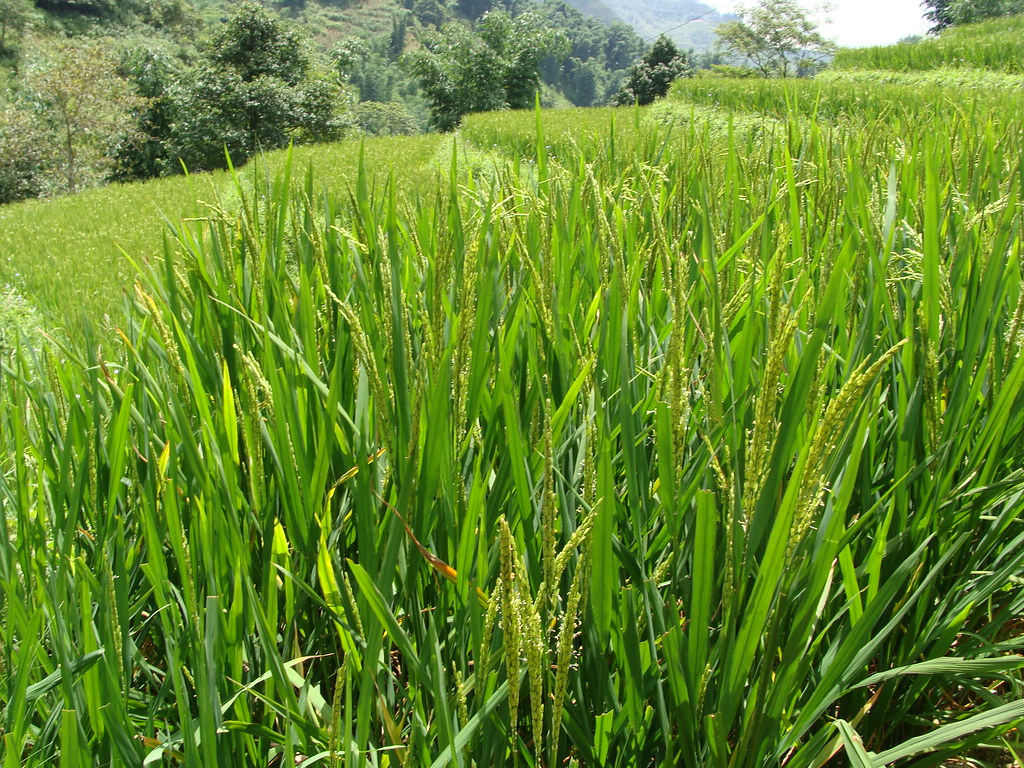
    In August, Mu Cang Chai transforms into a sea of emerald. The terraced rice fields are at their most vigorous growth stage before turning gold in September. The weather is cool, with temperatures ranging from 20°C to 28°C. It is the perfect time for trekking through villages like La Pan Tan or Che Cu Nha to witness the cascading green terraces that define the northern highlands.

    2. Hoi An Ancient Town – Sunny Heritage

    Unlike the north and south, Central Vietnam remains dry and sunny in August. Hoi An is a highlight, where you can wander through the yellow-walled streets under clear blue skies. Evenings are magical as the town lights up with colorful silk lanterns. You can also take a short bike ride to An Bang Beach to enjoy the warm 30°C – 34°C weather.

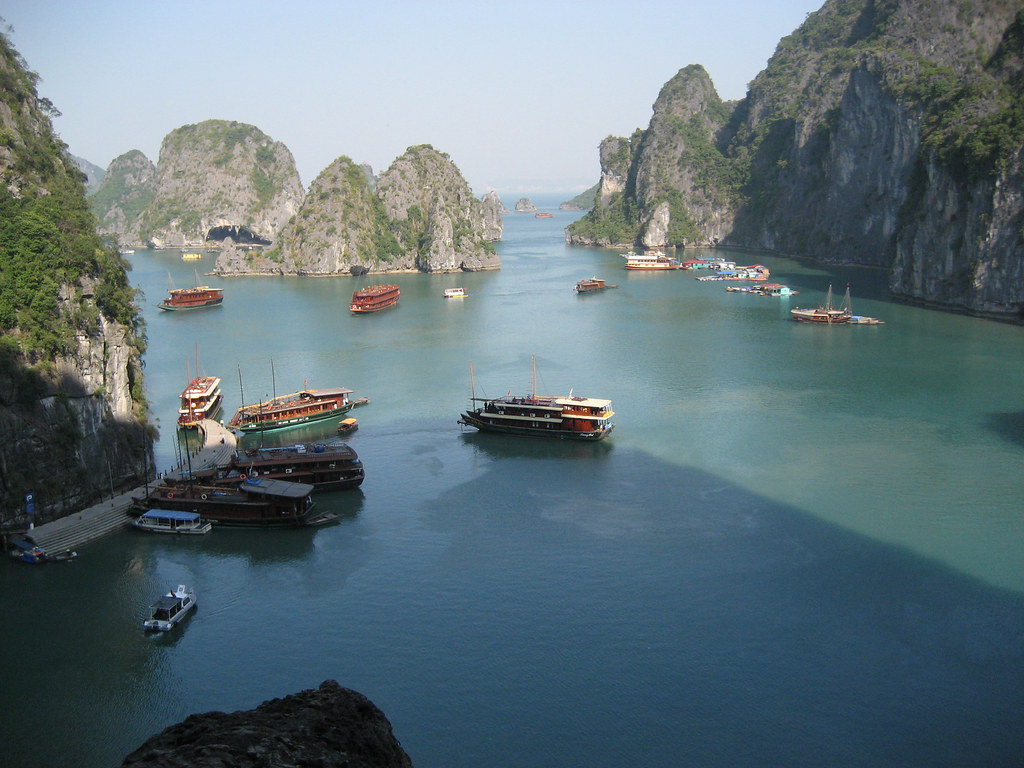
    3. Ha Long Bay – Dramatic Seascapes

    August in Ha Long Bay brings occasional tropical showers, but these are usually brief and followed by brilliant sunshine. The rain clears the dust, offering crisp views of the limestone karsts. Cruising on a luxury 5-star vessel during this time is often more affordable, and you can enjoy kayaking or visiting hidden caves like Sung Sot with fewer tourists around.

    4. Sapa – Misty Mountains

    August is one of the wettest months in Sapa, but the rain brings a mystical atmosphere as clouds dance around the Hoang Lien Son peaks. The temperature stays a refreshing 17°C to 23°C. It is a great time to see the waterfalls at their fullest power, such as Silver Waterfall (Thac Bac), and to experience the authentic daily life of the Hmong and Dao ethnic groups.

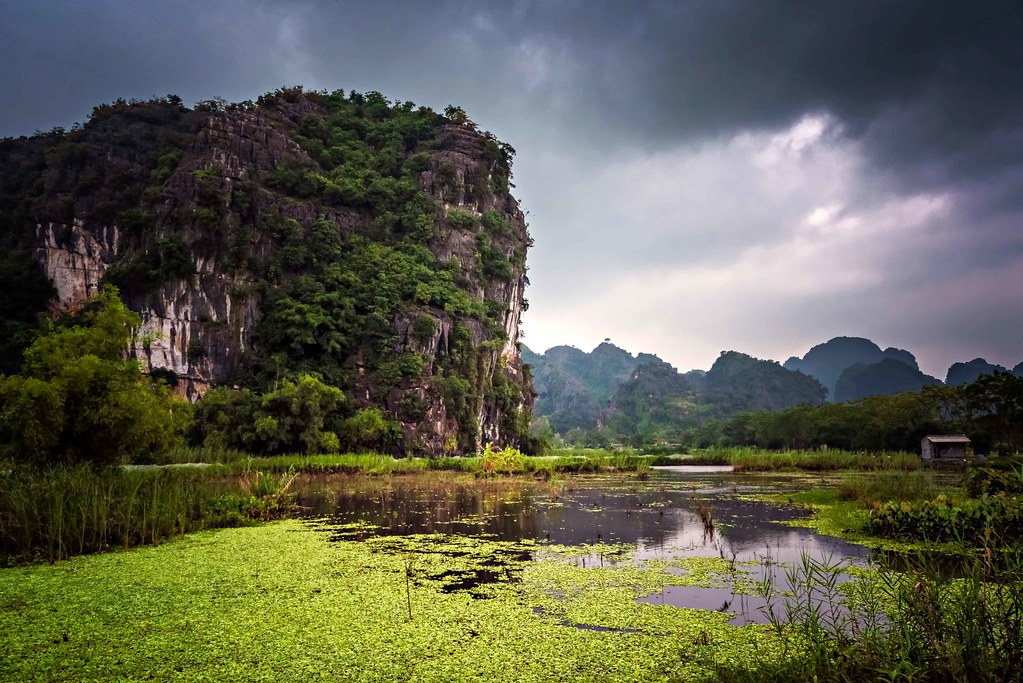
    5. Ninh Binh – The Inland Ha Long Bay

    Ninh Binh in August is lush and vibrant. Taking a boat trip in Trang An or Tam Coc allows you to see the dramatic limestone peaks rising from emerald-green waterways. While the heat can reach 32°C, the breeze on the river makes it comfortable. Be sure to climb the 500 steps of Mua Cave for a panoramic view of the Ngo Dong River snaking through the valley.

    6. Nha Trang – Peak Beach Season

    If you are looking for sun, Nha Trang is the place to be. With average temperatures of 28°C – 33°C and very little rain, it is ideal for scuba diving and snorkeling. The turquoise waters are calm, making it easy to take boat tours to nearby islands like Hon Mun or Hon Tam for a day of relaxation.

    7. Da Nang – Coastal Modernity

    Just north of Hoi An, Da Nang offers a perfect mix of urban energy and beach relaxation. August weather is excellent for visiting the Marble Mountains or taking the cable car up to Ba Na Hills to see the Golden Bridge. The beaches, such as My Khe, are at their best with warm water and plenty of sunshine.

    8. Mekong Delta – The Floating Life

    August marks the beginning of the “floating season” in the Mekong Delta. While there are daily rains, they usually occur in short afternoon bursts. The canals are full, making boat trips to Cai Rang Floating Market particularly lively. You will find an abundance of tropical fruits like durian, rambutan, and mangosteen at their peak harvest.

    9. Hue – The Imperial City

    The former capital, Hue, experiences its last month of dry weather before the heavy rains start in September. It is a great time to explore the Imperial Citadel and royal tombs. The heat can be intense (up to 35°C), so it is best to visit the historic sites in the early morning and enjoy a sunset dragon boat cruise on the Perfume River in the evening.

    10. Phong Nha-Ke Bang – Cave Explorations

    August is the tail end of the trekking season for the deeper caves in Phong Nha. The weather is hot, which makes the 18°C constant temperature inside Paradise Cave or Phong Nha Cave feel incredibly refreshing. You can enjoy jungle trekking and kayaking on the Son River before the monsoon season arrives later in the year.

    Frequently Asked Questions

    Is it okay to visit Vietnam in August?

    Yes, August is a great time to visit, especially for Central Vietnam (Hoi An, Da Nang, Nha Trang) which is dry and sunny. While the North and South see more rain, the landscapes are incredibly lush and green, and travel costs are often lower.

    Does it rain all day in Vietnam in August?

    No, even in the rainy season, downpours are usually short and heavy, occurring in the late afternoon. Most of the day remains bright, allowing for plenty of sightseeing opportunities.

    What should I pack for Vietnam in August?

    Pack lightweight, breathable clothing for the heat, a sturdy umbrella or light raincoat for sudden showers, and comfortable hiking shoes if you plan to visit the northern highlands like Sapa or Mu Cang Chai.

    Ready to experience the lush beauty of the rainy season? Book your tour now and discover the hidden gems of Vietnam this August!

    Related topics: Best time to visit Vietnam, Northern Vietnam trekking guide.

  • Vietnam Trip Preparation: Guide for First-Timers

    Vietnam Trip Preparation: Guide for First-Timers

    Preparing for your first trip to Vietnam can feel overwhelming, but with the right information, you will find it is one of the most welcoming and rewarding destinations in Southeast Asia. From the emerald waters of Ha Long Bay to the vibrant lantern-lit streets of Hoi An, this guide covers everything you need for a seamless journey.

    To prepare for a trip to Vietnam, you must secure an e-visa (for most nationalities), pack breathable clothing for humidity and modest attire for temples, and carry Vietnamese Dong (VND) for local markets. Ensure you have travel insurance, stay hydrated with bottled water, and learn basic cultural etiquette like removing shoes indoors.

    At a Glance: Essential Vietnam Prep

    • Visa: Apply for a 90-day e-visa online ($25 USD).
    • Money: Cash is king; use VND. $1 USD is approximately 25,000 VND.
    • SIM Cards: Available at airports for $10–$15 USD with large data bundles.
    • Health: Drink only bottled/filtered water; carry insect repellent.
    • Etiquette: Dress modestly at pagodas; “save face” by staying calm.

    1. Vietnam Visa and E-Visa Requirements

    Most international travelers now utilize the Vietnam E-visa system, which was recently expanded to include all countries and territories. The process is straightforward: you apply through the official government portal, pay a non-refundable fee of $25 USD for a single entry or $50 USD for multiple entries, and receive your visa via email within 3–5 working days.

    Your passport must be valid for at least 6 months beyond your arrival date. It is highly recommended to print a physical copy of your e-visa to present at immigration. Some nationalities (such as UK, German, French, and certain Asian citizens) may benefit from visa exemptions for stays ranging from 15 to 45 days, so always check the latest regulations before paying.

    2. What to Pack: Weather and Activities

    Vietnam’s climate varies drastically from North to South. If you are trekking the rice terraces in Sapa, you will need sturdy hiking boots and layers, as temperatures can drop to 10°C at night. Conversely, the South is tropical year-round, averaging 28°C–35°C.

    • Lightweight fabrics: Linen and moisture-wicking cotton are essential for the humidity.
    • Modest clothing: Scarf or long pants to cover shoulders and knees when visiting temples.
    • Rain gear: A lightweight poncho is better than an umbrella during sudden tropical downpours.
    • Footwear: Comfortable walking shoes for cities and flip-flops for the beach or Ha Long Bay cruises.

    3. Money, Currency, and SIM Cards

    The official currency is the Vietnamese Dong (VND). While high-end hotels and restaurants in Hanoi or Ho Chi Minh City accept credit cards, cash is essential for street food, taxis, and local markets. ATMs are widespread, but be aware of withdrawal limits (usually 2,000,000 to 5,000,000 VND per transaction).

    For connectivity, do not rely on roaming. Pick up a local SIM card (Viettel, Vinaphone, or Mobifone) at the arrival hall of the airport. For about $10 USD, you can get a 30-day plan with 4GB–6GB of data per day, which is vital for using navigation apps and ride-hailing services like Grab.

    4. Health, Vaccinations, and Safety

    No specific vaccinations are legally required for entry, but doctors usually recommend Hepatitis A, Typhoid, and Tetanus. Malaria is rare in major tourist cities but consider prophylaxis if you are heading into deep jungle regions. Mosquito repellent is a must to prevent Dengue Fever.

    Food and Water Safety: Never drink tap water. Stick to bottled water or the filtered water provided by hotels. When eating street food, look for stalls with a high turnover of local customers—this usually indicates the ingredients are fresh. Carry a small bottle of hand sanitizer and basic stomach medicine just in case.

    5. Cultural Etiquette and Local Tips

    Vietnamese culture is rooted in Confucianism, where respect and “saving face” are paramount. Avoid public outbursts of anger, as this causes embarrassment for both parties. When visiting a local home or certain shops, look for a pile of shoes at the door—this is your signal to remove your footwear.

    When bargaining at markets, keep it friendly and aim for about 20-30% off the initial price. Always ask for permission before taking photos of locals, especially in ethnic minority villages. A simple “Xin Chao” (Hello) and “Cam On” (Thank you) accompanied by a smile will go a long way in making connections.

    Frequently Asked Questions

    Can I use US Dollars in Vietnam?

    While some large hotels or tour operators might quote prices in USD, the law requires transactions to be in VND. It is always better to pay in local currency to get the best exchange rate.

    Is it safe to drive a motorbike in Vietnam?

    Traffic in Vietnam is chaotic and follows its own set of “unwritten rules.” Unless you have an International Driving Permit (IDP) and significant experience, it is safer to use the Grab app for motorbike taxis or cars.

    What is the best time of year to visit?

    The best time for a nationwide trip is during the shoulder seasons: March to April or September to November, when the weather is relatively temperate and dry across most regions.

    Ready to experience the magic of Southeast Asia? Explore our Classic Vietnam North to South itineraries or check out our guide on Top 10 Street Foods in Hanoi.

    Book your tour now to secure the best rates and expert local guides!

  • Ninh Binh Vietnam Guide: Trang An, Tam Coc & Mua Cave

    Ninh Binh Vietnam Guide: Trang An, Tam Coc & Mua Cave

    Known as the “Halong Bay on Land,” Ninh Binh offers a breathtaking landscape of towering limestone karsts, emerald rivers, and mystical caves. Located just 100km south of Hanoi, this UNESCO World Heritage site is a must-visit destination for those seeking natural beauty and ancient Vietnamese history.

    To experience Ninh Binh, you should spend 2 to 3 days exploring its key sites: the Trang An boat complex, the panoramic views of Mua Cave, the serene river of Tam Coc, and the massive Bai Dinh Pagoda. The best way to get there is via a 2-hour limousine bus or train from Hanoi, with the ideal travel window being from February to May or September to October.

    Ninh Binh at a Glance

    • Distance from Hanoi: ~100 km (2 hours travel time).
    • Top Attractions: Trang An, Tam Coc, Mua Cave, Bai Dinh Pagoda, Hoa Lu Ancient Capital.
    • Key Activities: Traditional sampan boat rides, cycling through rice paddies, hiking 500 steps for panoramic views.
    • Best Time: Spring (harvest festivals) or late May (golden rice season).

    Top Things to Do in Ninh Binh

    1. Trang An Landscape Complex

    As a UNESCO World Heritage site, Trang An is the jewel of Ninh Binh. You will board a small wooden boat rowed by locals through a series of mystical caves and hidden lagoons. The water is so clear you can see the aquatic plants dancing beneath the surface. There are typically three boat routes, each lasting 2 to 3 hours, taking you past ancient temples and locations where “Kong: Skull Island” was filmed.

    2. Mua Cave (Hang Mua)

    For the best views in Northern Vietnam, head to Mua Cave. It is not about the cave itself, but the 500 stone steps carved into the side of the mountain. At the summit, you are rewarded with a 360-degree view of the Ngo Dong River winding through the limestone peaks. The iconic dragon statue at the top makes for a perfect photo opportunity, especially during sunset.

    3. Tam Coc – Bich Dong

    Tam Coc, meaning “Three Caves,” offers a more rustic experience than Trang An. A boat ride here takes you through vast rice fields that turn a brilliant gold in late May. Nearby is Bich Dong Pagoda, a cluster of three ancient temples built into a mountain cave, accessible by a beautiful stone bridge surrounded by lotus ponds.

    4. Bai Dinh Pagoda

    This is the largest Buddhist complex in Southeast Asia. It holds several records, including the largest gold-plated bronze Buddha statue in Asia and the longest corridor of Arhat statues (500 figures). The architecture is grand and spiritual, making it a peaceful stop for culture enthusiasts. It is recommended to use the electric shuttle bus (around 30,000 – 60,000 VND) to navigate the massive grounds.

    Best Time to Visit Ninh Binh

    The weather plays a huge role in your experience. To see Ninh Binh at its peak beauty, aim for these windows:

    • Golden Season (Late May – Early June): This is when the rice fields in Tam Coc turn bright yellow. The temperature is hot (30°C – 35°C), but the visual reward is unparalleled.
    • Spring (February – April): The weather is cool (18°C – 25°C) and pleasant, perfect for visiting pagodas and enjoying the lush greenery after the Lunar New Year.
    • Autumn (September – October): A great time for hiking Mua Cave without the sweltering summer heat.

    How to Get to Ninh Binh from Hanoi

    Transport is highly accessible and affordable:

    • Limousine Bus: The most popular choice. It picks you up from the Old Quarter and costs approximately $8 – $12 USD. The journey takes 2 hours.
    • Train: A scenic and local experience. Trains depart from Hanoi Station to Ninh Binh Station for about $4 – $7 USD.
    • Private Car: Ideal for families or groups wanting a flexible schedule. Prices range from $60 – $90 USD for a round trip.

    Travel Tips for Visitors

    When visiting temples like Bai Dinh or Hoa Lu, ensure your shoulders and knees are covered. Bring plenty of water and sunscreen for the boat rides, as you will be exposed to the sun for several hours. If you enjoy independence, renting a bicycle (around $2 – $5 per day) is the best way to explore the quiet backroads between Tam Coc and Mua Cave.

    Frequently Asked Questions

    Is one day enough for Ninh Binh?

    While a day trip from Hanoi is possible (covering Trang An and Mua Cave), 2 days and 1 night is highly recommended to fully soak in the atmosphere and visit Bai Dinh Pagoda without rushing.

    Which is better: Trang An or Tam Coc?

    Trang An is more organized, has more caves, and is a UNESCO site. Tam Coc is more “natural” with rice fields lining the river. If you have time, do both; if not, Trang An is generally preferred by first-time visitors.

    How much does the boat ride cost?

    The ticket for Trang An is approximately 250,000 VND (~$10 USD) per person, which includes the boat and rower. It is customary to give a small tip (50,000 – 100,000 VND) to your rower at the end.

    Ready to see the inland Halong Bay for yourself? Explore our Ninh Binh Day Trips or Northern Vietnam Luxury Packages to start your adventure.

    Book your tour now!

  • Vietnamese Street Food Guide: Must-Try Dishes & Safety Tips

    Vietnamese Street Food Guide: Must-Try Dishes & Safety Tips

    Essential Vietnamese Street Food Guide for International Travelers

    Vietnam is a culinary paradise where the best flavors are often found on plastic stools along bustling sidewalks. For tourists, navigating Vietnamese street food is the most authentic way to experience the local culture, offering a perfect balance of fresh herbs, savory meats, and vibrant spices.

    To eat like a local, focus on must-try dishes like Pho, Banh Mi, and Bun Cha, and look for stalls with high turnover. Vietnamese cuisine is famous for its regional diversity, meaning a noodle soup in Hanoi will taste entirely different from one in Ho Chi Minh City, providing an endless journey for your palate.

    At a Glance: The Vietnamese Street Food Experience

    • Average Price: $1.50 – $3.50 (35,000 – 80,000 VND) per dish.
    • Peak Hours: Breakfast (6:30 – 8:30 AM), Lunch (11:30 AM – 1:00 PM), Dinner (6:00 – 8:00 PM).
    • Top Cities: Hanoi (Traditional), Hue (Royal/Spicy), Ho Chi Minh City (Diverse/Sweet).
    • Safety Rule: Look for “factory ice” (tube-shaped) and high-turnover stalls.

    Must-Try Vietnamese Street Food Dishes

    While there are hundreds of local delicacies, these four iconic items are the essential starting point for any food tour in Vietnam. Each offers a unique glimpse into the country’s history and regional preferences.

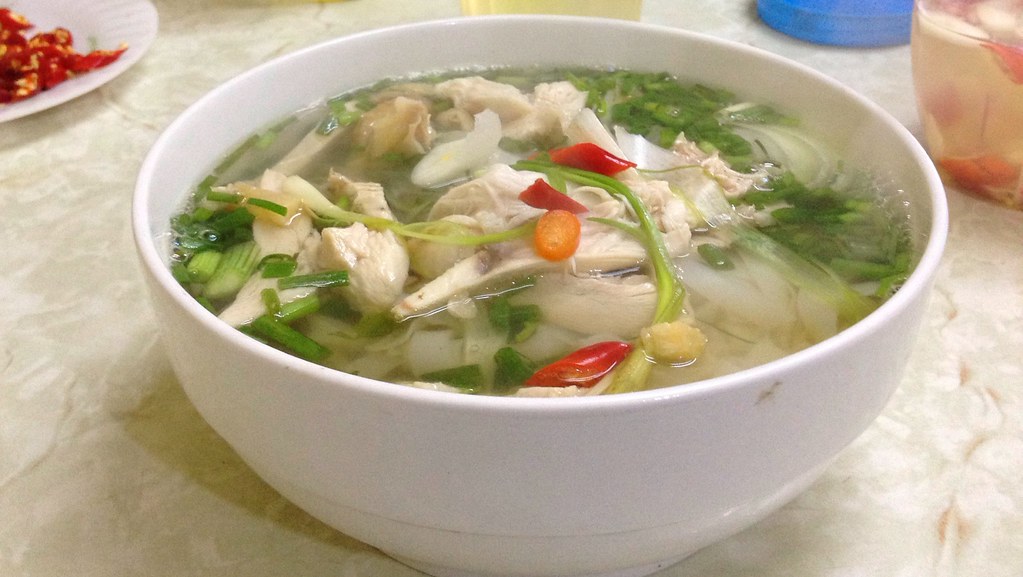
    Pho (Traditional Noodle Soup)

    The national dish consists of flat rice noodles in a fragrant broth, typically served with beef (Pho Bo) or chicken (Pho Ga). Look for the clear, simmering bone broth seasoned with star anise, ginger, and cinnamon. In the North, it’s savory and simple; in the South, it’s sweeter with more herbs. Expect to pay around 40,000 – 60,000 VND ($1.70 – $2.50) for a hearty bowl.

    Banh Mi (Vietnamese Baguette)

    A French-influenced crusty bread filled with a fusion of ingredients: pate, pork, pickled daikon, carrots, cucumber, and fresh cilantro. It is the ultimate portable street snack, perfectly balancing textures of crunchy crust and soft fillings. A standard Banh Mi costs between 20,000 – 45,000 VND ($0.85 – $1.90) depending on the amount of cold cuts and pate used.

    Bun Cha (Grilled Pork with Vermicelli)

    Famously enjoyed by Barack Obama, this Hanoian staple features charcoal-grilled pork patties and pork belly served in a bowl of warm dipping sauce (nuoc mam). It is accompanied by cold rice vermicelli noodles and a mountain of fresh herbs. The smoky aroma of the meat grilling on the sidewalk is unmistakable. A full set usually costs 50,000 – 70,000 VND ($2.10 – $3.00).

    Egg Coffee (Ca Phe Trung)

    A Hanoi specialty that tastes like liquid tiramisu. It is made by whipping egg yolks with condensed milk and sugar into a thick, creamy foam that sits atop robust Vietnamese robusta coffee. Served hot or cold, it’s a decadent treat that showcases Vietnam’s creative coffee culture. A cup usually costs 30,000 – 50,000 VND ($1.30 – $2.15).

    Where to Find the Best Street Food

    In Vietnam, the rule of thumb is: follow the locals. If a stall is crowded during peak meal times, it is a sign of both quality and freshness. Key hubs include:

    • Hanoi Old Quarter: The birthplace of many classic dishes. Wander through Ta Hien Street or the hidden alleys of Dong Xuan Market. Distance between major food spots here is often less than 500 meters, making it perfect for walking tours.
    • Ho Chi Minh City District 1 & 4: Head to Ben Thanh Market or the street food paradise of Vinh Khanh Street for incredible seafood. District 4 is famous for having the highest density of food stalls per square kilometer.
    • Hoi An Ancient Town: Home to the world-renowned “Banh Mi Phuong” and unique regional dishes like Cao Lau, which uses water from ancient local wells.

    Street Food Safety Tips for Tourists

    Eating on the street is generally safe if you follow a few simple guidelines to avoid “Hanoi Belly”:

    First, always choose busy stalls where the food turnover is high, ensuring the ingredients haven’t been sitting out in the heat (usually 28°C – 35°C in summer). Second, ensure your food is cooked to order and served piping hot. For drinks, stick to bottled water or hot tea. Only consume ice in reputable establishments that use factory-made tube ice (clear cylinders with holes) rather than crushed block ice transported in sacks.

    Experience Vietnam Through Its Flavors

    Vietnamese street food is more than just a meal; it’s a social event. From the smoky aroma of grilled pork to the energetic clatter of the city, every bite tells a story. Don’t be afraid to sit on a low stool and point at what looks delicious—it’s the best way to discover your new favorite dish.

    If you are interested in more culinary adventures, check out our guides on Regional Vietnamese Coffee Culture or The Best Night Markets in Southeast Asia.

    Ready to taste the real Vietnam? Book your street food tour now to explore hidden gems with an expert local guide!

    Frequently Asked Questions

    Is street food in Vietnam safe for foreigners?

    Yes, it is generally safe. To minimize risk, eat at busy stalls with high turnover, ensure meat is cooked thoroughly, and avoid raw vegetables if you have a sensitive stomach. Stick to bottled water and factory-made ice.

    How much does a typical street food meal cost?

    Most street food dishes cost between $1.50 and $3.00 (35,000 to 70,000 VND). A full meal with a drink rarely exceeds $5.00 per person, making it one of the most affordable ways to eat.

    Do I need to tip at street food stalls?

    Tipping is not expected at street food stalls or small local eateries in Vietnam. However, if you are on a guided food tour, a small tip for your guide is always appreciated for their expertise.

  • Vietnamese Street Food Guide: Must-Try Dishes & Safety Tips

    Vietnamese Street Food Guide: Must-Try Dishes & Safety Tips

    Essential Vietnamese Street Food Guide for International Travelers

    Vietnam is a culinary paradise where the best flavors are often found on plastic stools along bustling sidewalks. For tourists, navigating Vietnamese street food is the most authentic way to experience the local culture, offering a perfect balance of fresh herbs, savory meats, and vibrant spices.

    To eat like a local, focus on must-try dishes like Pho, Banh Mi, and Bun Cha, and look for stalls with high turnover. Vietnamese cuisine is famous for its regional diversity, meaning a noodle soup in Hanoi will taste entirely different from one in Ho Chi Minh City, providing an endless journey for your palate.

    At a Glance: The Vietnamese Street Food Experience

    • Average Price: $1.50 – $3.50 (35,000 – 80,000 VND) per dish.
    • Peak Hours: Breakfast (6:30 – 8:30 AM), Lunch (11:30 AM – 1:00 PM), Dinner (6:00 – 8:00 PM).
    • Top Cities: Hanoi (Traditional), Hue (Royal/Spicy), Ho Chi Minh City (Diverse/Sweet).
    • Safety Rule: Look for “factory ice” (tube-shaped) and high-turnover stalls.

    Must-Try Vietnamese Street Food Dishes

    While there are hundreds of local delicacies, these four iconic items are the essential starting point for any food tour in Vietnam:

    • Pho (Noodle Soup): The national dish consists of flat rice noodles in a fragrant broth, typically served with beef (Pho Bo) or chicken (Pho Ga). Look for the clear, simmering bone broth seasoned with star anise and cinnamon. Expect to pay around 40,000 – 60,000 VND for a hearty bowl.
    • Banh Mi (Vietnamese Baguette): A French-influenced crusty bread filled with pate, pork, pickled daikon, carrots, and fresh cilantro. It is the ultimate portable street snack, costing between 20,000 – 45,000 VND depending on the fillings.
    • Bun Cha (Grilled Pork with Noodles): Famously enjoyed by Barack Obama, this dish features charcoal-grilled pork patties served in a bowl of dipping sauce with rice vermicelli and a mountain of fresh herbs. This is a lunchtime staple in Hanoi.
    • Egg Coffee (Ca Phe Trung): A Hanoi specialty that tastes like liquid tiramisu. It is made by whipping egg yolks with condensed milk into a creamy foam over robust Vietnamese robusta coffee. A cup usually costs 30,000 – 50,000 VND.

    Where to Find the Best Street Food

    In Vietnam, the rule of thumb is: follow the locals. If a stall is crowded during peak meal times, it is a sign of both quality and freshness. Key hubs include:

    • Hanoi Old Quarter: The birthplace of many classic dishes. Wander through Ta Hien Street or the hidden alleys of Dong Xuan Market. Distance between major food spots here is often less than 500 meters, making it perfect for walking tours.
    • Ho Chi Minh City District 1 & 4: Head to Ben Thanh Market or the street food paradise of Vinh Khanh Street for incredible seafood. District 4 is famous for having the highest density of food stalls per square kilometer.
    • Hoi An Ancient Town: Home to the world-renowned “Banh Mi Phuong” and unique regional dishes like Cao Lau, which uses water from ancient local wells.

    Street Food Safety Tips for Tourists

    Eating on the street is generally safe if you follow a few simple guidelines to avoid “Hanoi Belly”:

    First, always choose busy stalls where the food turnover is high, ensuring the ingredients haven’t been sitting out in the heat (usually 28°C – 35°C in summer). Second, ensure your food is cooked to order and served piping hot. For drinks, stick to bottled water or hot tea. Only consume ice in reputable establishments that use factory-made tube ice (clear cylinders with holes) rather than crushed block ice transported in sacks.

    Experience Vietnam Through Its Flavors

    Vietnamese street food is more than just a meal; it’s a social event. From the smoky aroma of grilled pork to the energetic clatter of the city, every bite tells a story. Don’t be afraid to sit on a low stool and point at what looks delicious—it’s the best way to discover your new favorite dish.

    If you are interested in more culinary adventures, check out our guides on Regional Vietnamese Coffee Culture or The Best Night Markets in Southeast Asia.

    Ready to taste the real Vietnam? Book your street food tour now to explore hidden gems with an expert local guide!

    Frequently Asked Questions

    Is street food in Vietnam safe for foreigners?

    Yes, it is generally safe. To minimize risk, eat at busy stalls with high turnover, ensure meat is cooked thoroughly, and avoid raw vegetables if you have a sensitive stomach. Stick to bottled water and factory-made ice.

    How much does a typical street food meal cost?

    Most street food dishes cost between $1.50 and $3.00 (35,000 to 70,000 VND). A full meal with a drink rarely exceeds $5.00 per person, making it one of the most affordable ways to eat.

    Do I need to tip at street food stalls?

    Tipping is not expected at street food stalls or small local eateries in Vietnam. However, if you are on a guided food tour, a small tip for your guide is always appreciated for their expertise.