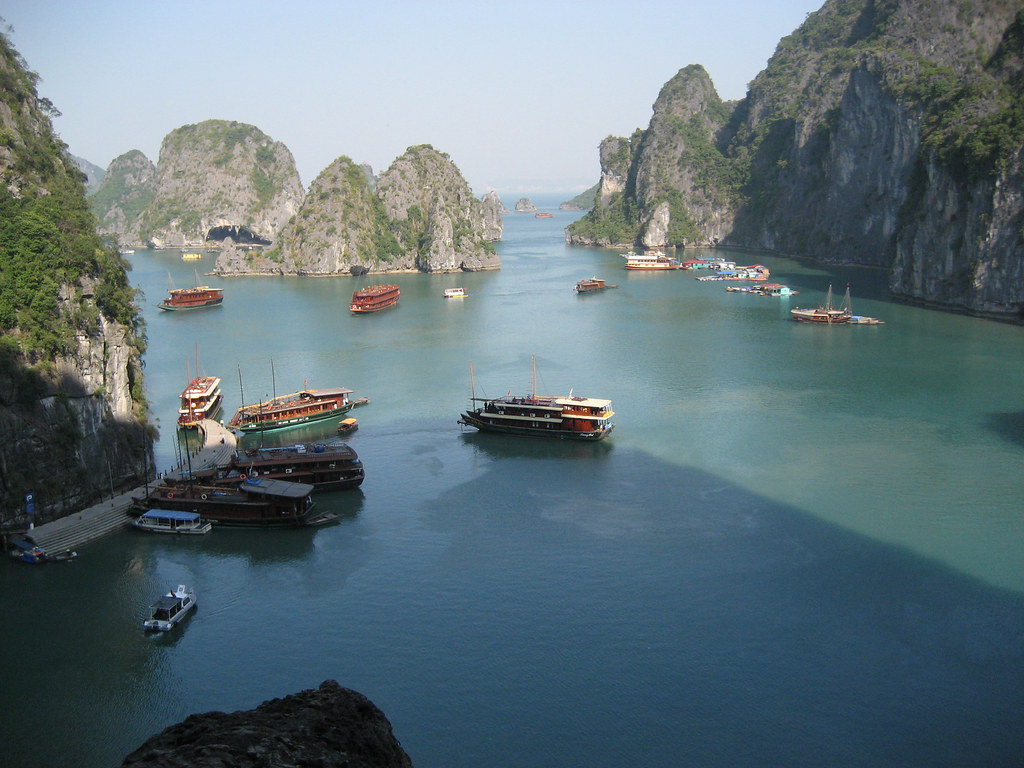
Preparing for your first trip to Vietnam can feel overwhelming, but with the right information, you will find it is one of the most welcoming and rewarding destinations in Southeast Asia. From the emerald waters of Ha Long Bay to the vibrant lantern-lit streets of Hoi An, this guide covers everything you need for a seamless journey.
To prepare for a trip to Vietnam, you must secure an e-visa (for most nationalities), pack breathable clothing for humidity and modest attire for temples, and carry Vietnamese Dong (VND) for local markets. Ensure you have travel insurance, stay hydrated with bottled water, and learn basic cultural etiquette like removing shoes indoors.
At a Glance: Essential Vietnam Prep
- Visa: Apply for a 90-day e-visa online ($25 USD).
- Money: Cash is king; use VND. $1 USD is approximately 25,000 VND.
- SIM Cards: Available at airports for $10–$15 USD with large data bundles.
- Health: Drink only bottled/filtered water; carry insect repellent.
- Etiquette: Dress modestly at pagodas; “save face” by staying calm.

1. Vietnam Visa and E-Visa Requirements
Most international travelers now utilize the Vietnam E-visa system, which was recently expanded to include all countries and territories. The process is straightforward: you apply through the official government portal, pay a non-refundable fee of $25 USD for a single entry or $50 USD for multiple entries, and receive your visa via email within 3–5 working days.
Your passport must be valid for at least 6 months beyond your arrival date. It is highly recommended to print a physical copy of your e-visa to present at immigration. Some nationalities (such as UK, German, French, and certain Asian citizens) may benefit from visa exemptions for stays ranging from 15 to 45 days, so always check the latest regulations before paying.
2. What to Pack: Weather and Activities
Vietnam’s climate varies drastically from North to South. If you are trekking the rice terraces in Sapa, you will need sturdy hiking boots and layers, as temperatures can drop to 10°C at night. Conversely, the South is tropical year-round, averaging 28°C–35°C.
- Lightweight fabrics: Linen and moisture-wicking cotton are essential for the humidity.
- Modest clothing: Scarf or long pants to cover shoulders and knees when visiting temples.
- Rain gear: A lightweight poncho is better than an umbrella during sudden tropical downpours.
- Footwear: Comfortable walking shoes for cities and flip-flops for the beach or Ha Long Bay cruises.
3. Money, Currency, and SIM Cards
The official currency is the Vietnamese Dong (VND). While high-end hotels and restaurants in Hanoi or Ho Chi Minh City accept credit cards, cash is essential for street food, taxis, and local markets. ATMs are widespread, but be aware of withdrawal limits (usually 2,000,000 to 5,000,000 VND per transaction).
For connectivity, do not rely on roaming. Pick up a local SIM card (Viettel, Vinaphone, or Mobifone) at the arrival hall of the airport. For about $10 USD, you can get a 30-day plan with 4GB–6GB of data per day, which is vital for using navigation apps and ride-hailing services like Grab.
4. Health, Vaccinations, and Safety
No specific vaccinations are legally required for entry, but doctors usually recommend Hepatitis A, Typhoid, and Tetanus. Malaria is rare in major tourist cities but consider prophylaxis if you are heading into deep jungle regions. Mosquito repellent is a must to prevent Dengue Fever.
Food and Water Safety: Never drink tap water. Stick to bottled water or the filtered water provided by hotels. When eating street food, look for stalls with a high turnover of local customers—this usually indicates the ingredients are fresh. Carry a small bottle of hand sanitizer and basic stomach medicine just in case.
5. Cultural Etiquette and Local Tips
Vietnamese culture is rooted in Confucianism, where respect and “saving face” are paramount. Avoid public outbursts of anger, as this causes embarrassment for both parties. When visiting a local home or certain shops, look for a pile of shoes at the door—this is your signal to remove your footwear.
When bargaining at markets, keep it friendly and aim for about 20-30% off the initial price. Always ask for permission before taking photos of locals, especially in ethnic minority villages. A simple “Xin Chao” (Hello) and “Cam On” (Thank you) accompanied by a smile will go a long way in making connections.
Frequently Asked Questions
Can I use US Dollars in Vietnam?
While some large hotels or tour operators might quote prices in USD, the law requires transactions to be in VND. It is always better to pay in local currency to get the best exchange rate.
Is it safe to drive a motorbike in Vietnam?
Traffic in Vietnam is chaotic and follows its own set of “unwritten rules.” Unless you have an International Driving Permit (IDP) and significant experience, it is safer to use the Grab app for motorbike taxis or cars.

What is the best time of year to visit?
The best time for a nationwide trip is during the shoulder seasons: March to April or September to November, when the weather is relatively temperate and dry across most regions.
Ready to experience the magic of Southeast Asia? Explore our Classic Vietnam North to South itineraries or check out our guide on Top 10 Street Foods in Hanoi.
Book your tour now to secure the best rates and expert local guides!
Leave a Reply